Drain Field Installation in Denver, CO
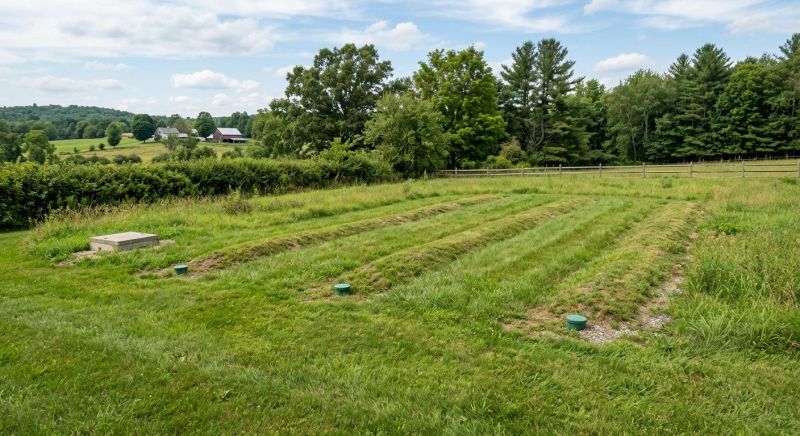
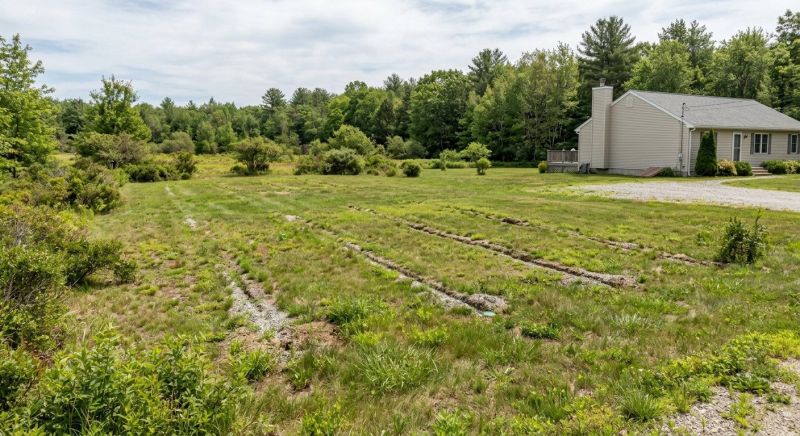
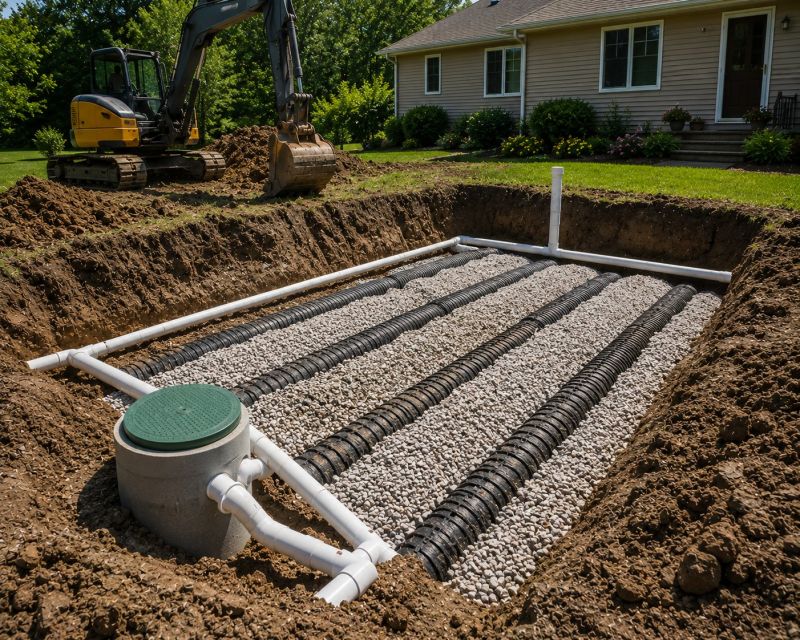
Drain field installation services involve setting up an underground system designed to safely disperse wastewater from a septic tank into the surrounding soil. This process is essential for properties that rely on septic systems, including rural homes and properties without access to centralized sewer lines. Projects typically include selecting appropriate drain field locations, excavating trenches, installing pipes and gravel beds, and ensuring proper grading for optimal drainage. Property owners often want to understand the size and layout of the drain field needed, site preparation requirements, and factors that influence the longevity and effectiveness of the system.
Before requesting drain field installation, property owners should consider the size of their household, the capacity of their septic tank, and the soil conditions of their property. It’s also helpful to evaluate any restrictions or regulations specific to the area, such as setback distances from wells or property lines. Proper planning ensures the drain field functions efficiently, minimizes potential issues, and complies with local codes. Contacting professionals for an assessment can provide guidance on suitable locations and the necessary steps to develop a reliable septic drain field.
Many property owners in Denver, CO look into Drain Field Installation for repairs, replacements, upgrades, and appearance-related improvements.
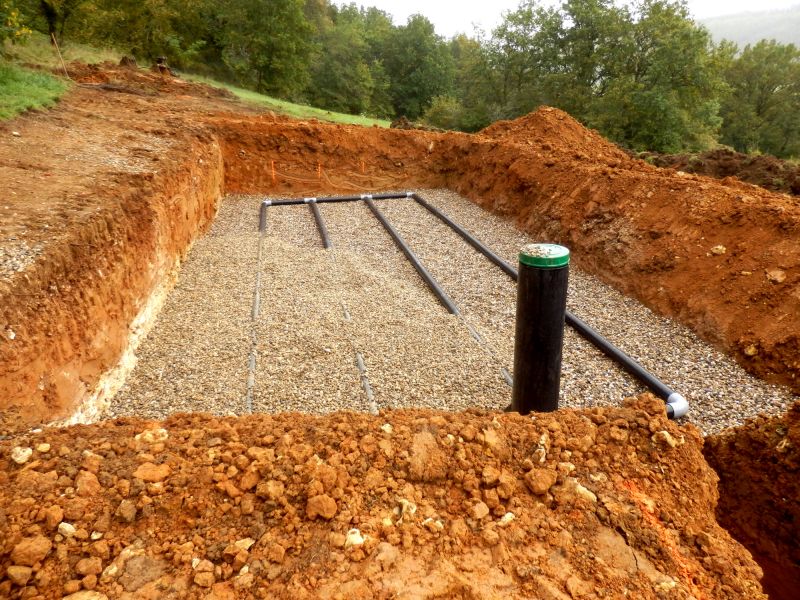
Drain Field Design And Planning
Proper planning ensures effective drainage and system longevity for properties in denver.
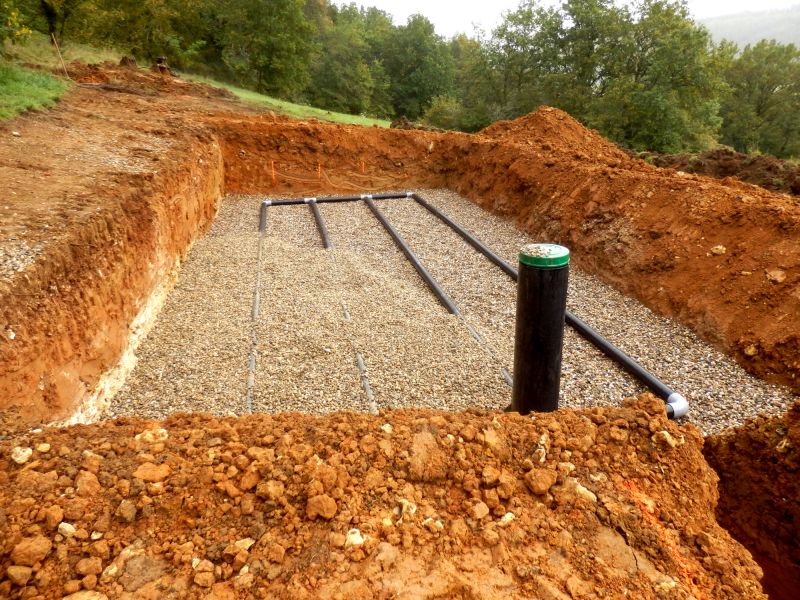
Installation Process Overview
Careful installation of drain fields helps prevent future backups and maintains soil absorption.
Maintenance And Inspection Tips
Regular inspections can help identify potential issues before they impact property drainage systems.
Drain Field Installation in Denver, CO

Drain field installation services involve setting up an underground system designed to safely disperse wastewater from a septic tank into the surrounding soil. This process is essential for properties that rely on septic systems, including rural homes and properties without access to centralized sewer lines. Projects typically include selecting appropriate drain field locations, excavating trenches, installing pipes and gravel beds, and ensuring proper grading for optimal drainage. Property owners often want to understand the size and layout of the drain field needed, site preparation requirements, and factors that influence the longevity and effectiveness of the system.
Before requesting drain field installation, property owners should consider the size of their household, the capacity of their septic tank, and the soil conditions of their property. It’s also helpful to evaluate any restrictions or regulations specific to the area, such as setback distances from wells or property lines. Proper planning ensures the drain field functions efficiently, minimizes potential issues, and complies with local codes. Contacting professionals for an assessment can provide guidance on suitable locations and the necessary steps to develop a reliable septic drain field.
Many property owners in Denver, CO look into Drain Field Installation for repairs, replacements, upgrades, and appearance-related improvements.
Common Drain Field Installation Jobs
Drain field installation involves designing and setting up underground systems to safely disperse wastewater.
Septic drain field services include installing and replacing drain fields for residential septic systems.
Leach field construction ensures proper wastewater absorption and prevents system failures.
Soil testing and site assessment evaluate land suitability for drain field placement.
Drain field repair and replacement address issues caused by clogging, failure, or shifting soils.
Maintenance planning for drain fields helps extend system lifespan and prevent costly repairs.
Drain Field Installation Questions
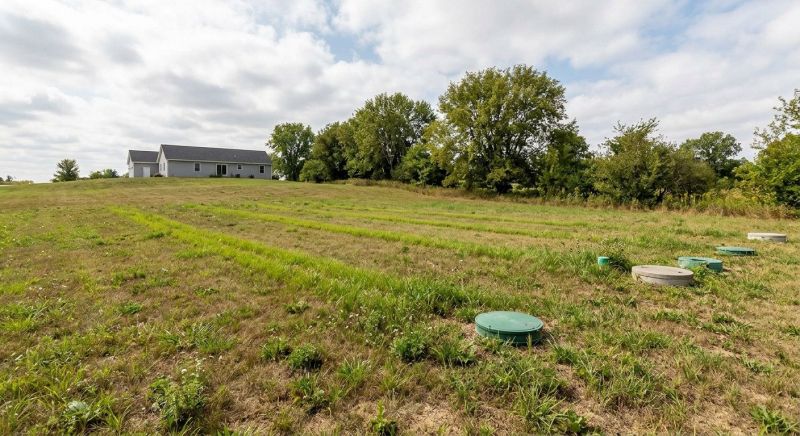
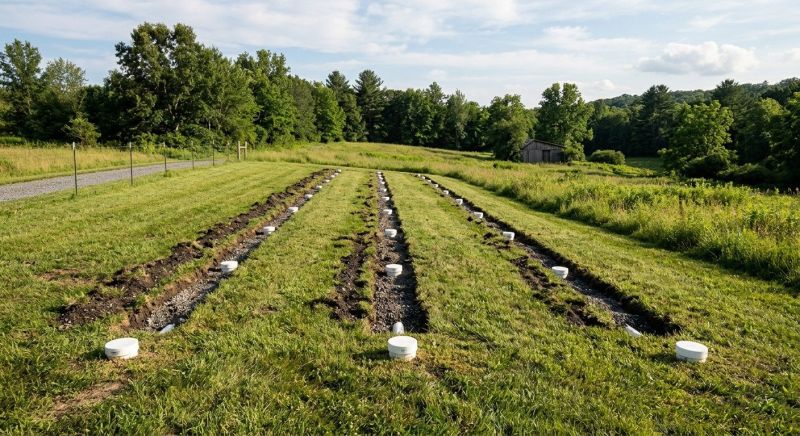
What is drain field installation? Drain field installation involves setting up a system to safely disperse treated wastewater from a septic tank into the ground, ensuring proper filtration and environmental protection.
When is a drain field needed? A drain field is typically required when a property relies on a septic system for wastewater management and the existing system needs replacement or upgrades.
What types of drain fields are available? Common types include gravel-based trenches, chamber systems, and mound systems, each suited to different soil conditions and property layouts.
What should property owners consider before installation? Factors like soil type, property size, and local regulations influence the selection and placement of a drain field system.
Request Drain Field Installation in Denver, CO
Use the quote form on this page to share the basics of your project and request more information for the type of work you need.